
Brain Training: Calm Focus for Better Performance
Vida Eterna Research Library · November 21, 2026
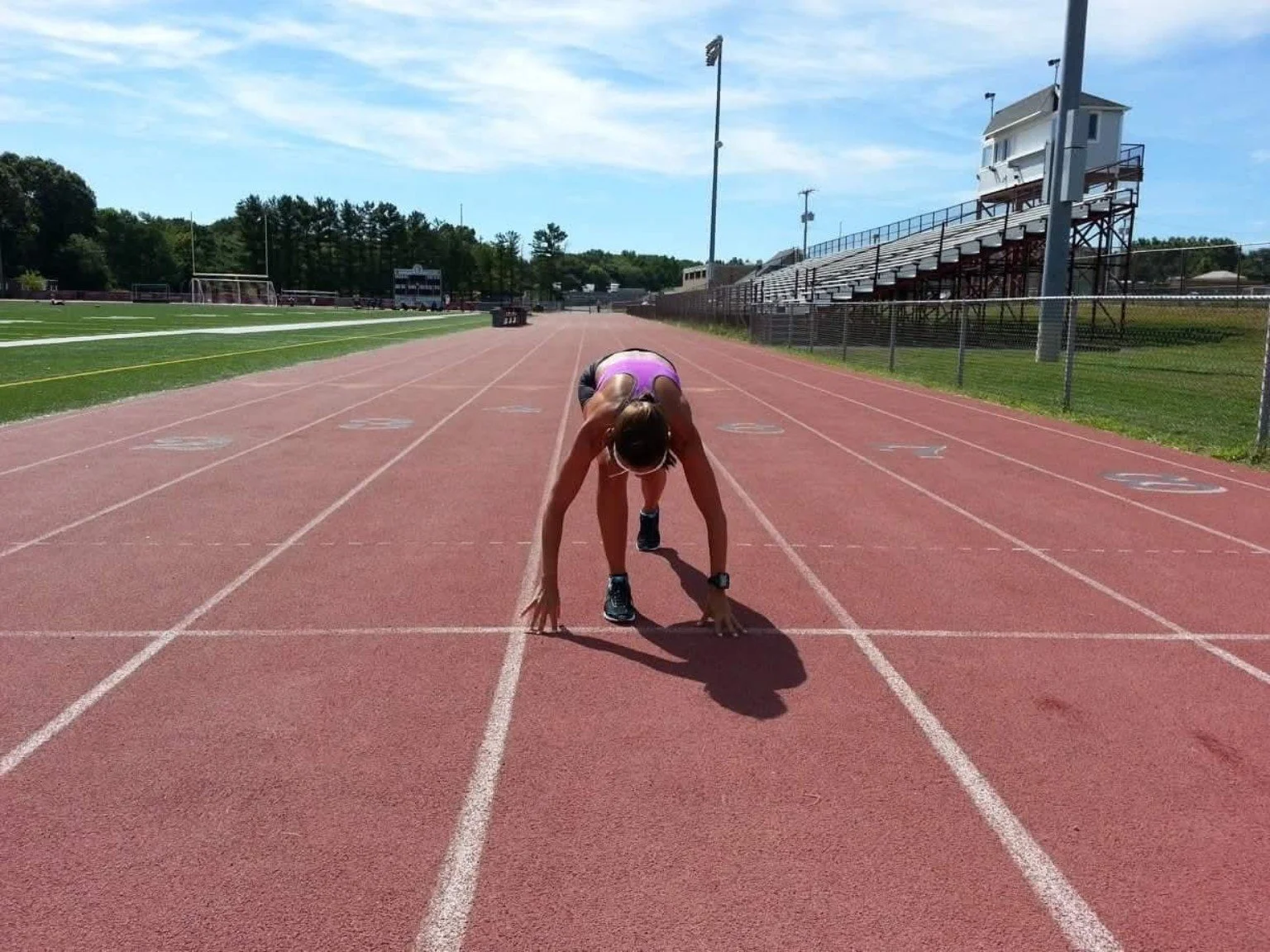
Physical training prepares the body for effort. Mental training helps an athlete direct attention when effort, uncertainty or distraction begins to compete for it. Visualization, mindfulness and purposeful focus offer different ways to practice that skill.
Where attention goes
Internal attention turns toward the body: breathing, muscle tension, movement or perceived effort. External attention turns outward: the surroundings, a target or the intended effect of a movement.
These are not interchangeable strategies. In a treadmill study, Schücker and colleagues (2009) found better running economy—less oxygen required at the same running speed—when runners focused externally rather than on their breathing or movement. That finding concerns efficiency under specific laboratory conditions, not a guaranteed improvement in race time.[1]
A later study adds an important distinction: attending to how the body feels did not disrupt efficiency in the same way as concentrating on breathing or movement mechanics.[2] Noticing effort is different from trying to consciously manage every stride.
For a runner, this suggests a flexible approach: check effort and symptoms, then return attention to the task and surroundings. A cue such as “toward the next landmark” may be more useful at some moments than a running commentary on every joint. Learning a new skill or working on rehabilitation may call for different instructions.
Meditation practices the return
Mindfulness meditation offers a way to practice noticing distraction and bringing attention back without turning that distraction into another problem. A wandering mind becomes an opportunity to return to an anchor, such as natural breathing.
In a randomized study of 95 athletes, Röthlin and colleagues (2020) compared four weeks of mindfulness training, psychological skills training and a waiting-list control. Both training approaches improved athletes’ self-reported attention control and ability to keep emotions from interfering with performance.[3]
The researchers measured psychological skills through questionnaires; they did not establish faster race times. The practical implication is that composure and attention can be trained. Whether those improvements translate into a personal best depends on the athlete, the event and many other parts of preparation.
Calm focus can coexist with hard effort and nerves. The aim is to stay able to choose the next useful action.
Visualization: rehearsing a response
Imagery is mental rehearsal: picturing and, where possible, sensing a movement or situation before performing it. Unlike mindfulness, which attends to the present experience, imagery deliberately creates a scenario.
Olympic swimming champion Katie Ledecky has described visualizing her goals, including winning her first Olympic gold at 15.[4] Michael Phelps has described rehearsing both an ideal race and disruptions, including equipment problems.[5] Their accounts illustrate how elite athletes use imagery; they cannot establish how much of their success came from it.
For everyday athletes, the useful lesson is to rehearse execution as well as an outcome. Imagine approaching a hill at an appropriate effort, settling into rhythm, or recovering attention after a distraction. These are practical applications, not a promise that visualization alone improves endurance.
A small practice to bring into training
Before an easy workout, try a brief, comfortable routine:
- Pause and notice natural breathing without forcing it.
- Rehearse one realistic moment in the session and how you intend to respond.
- Choose one simple cue for the task.
- When attention drifts, notice it and return. Check body signals and surroundings as needed.
This is a suggested starting point, not a research-tested prescription. Keep attention available for traffic, terrain and symptoms; focus training should never mean ignoring pain or safety.
Mental practice belongs alongside physical preparation, recovery and appropriate coaching. For runners and active adults, it offers another way to approach movement with purpose: attentive to the body, responsive to the environment and able to return to the activity that matters.
References
- Schücker L, et al. (2009). The effect of attentional focus on running economy. Journal of Sports Sciences. Source
- Schücker L, et al. (2014). An internal focus of attention is not always as bad as its reputation: how specific aspects of internally focused attention do not hinder running efficiency. Research Quarterly for Exercise and Sport. Source
- Röthlin P, et al. (2020). Differential and shared effects of psychological skills training and mindfulness training on performance-relevant psychological factors in sport: a randomized controlled trial. BMC Psychology. Source
- Academy of Achievement. Katie Ledecky: interview, visualization discussion. Source
- WHOOP Podcast, episode 171, Michael Phelps: preparation and visualization discussion. Source